Blog
Tight Places

The Hobbit Chapter 5: Riddles in the Dark
Chapter Summary
Bilbo becomes separated from the dwarves in the dark goblin tunnels beneath the Misty Mountains. Lost and alone, he crawls through the darkness until his hand touches something unexpected: a ring. Continuing through the tunnels, Bilbo encounters Gollum, a strange creature living on an island in an underground lake. They engage in a riddle contest—if Bilbo wins, Gollum will show him the way out; if Gollum wins, he gets to eat Bilbo. After a tense battle of wits, Bilbo accidentally wins by asking “What have I got in my pocket?” Enraged, Gollum realizes his precious ring is missing and guesses that Bilbo has it. Bilbo accidentally discovers the ring’s power of invisibility and uses it to escape both Gollum and the goblins, eventually reuniting with the dwarves and Gandalf outside the mountain.
What to Do in a Tight Place
“Go back?” he thought. “No good at all! Go sideways? Impossible! Go forward? Only thing to do! On we go!” So up he got, and trotted along with his little sword held in front of him and one hand feeling the wall, and his heart all of a patter and a pitter.”
Now certainly Bilbo was in what is called a tight place.
Have you ever been in a tight place?
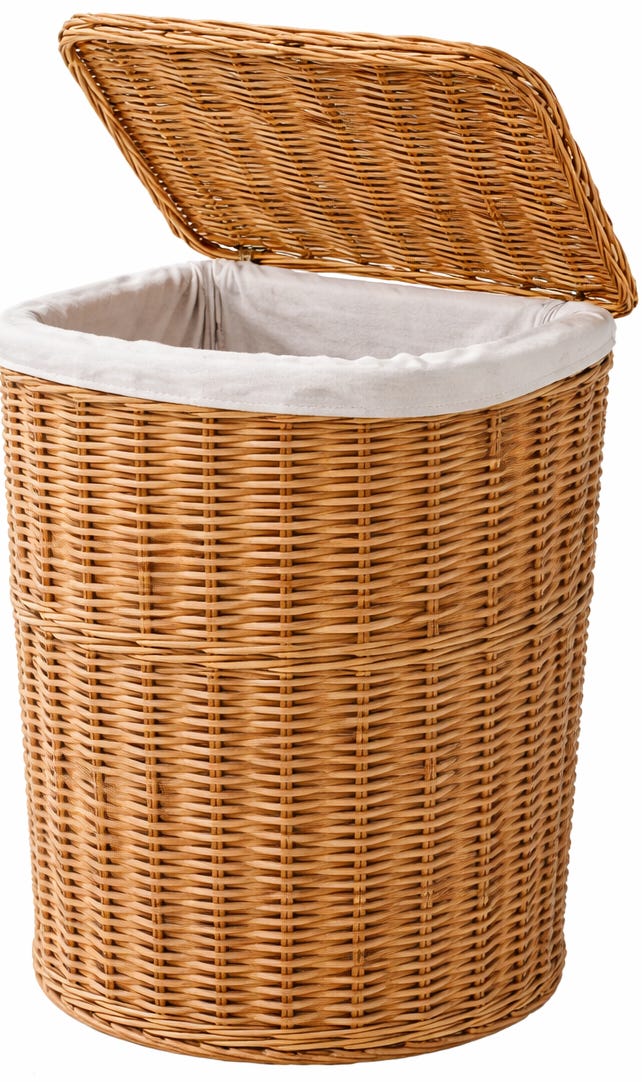
When I was four or five years old, I got myself and my mother into a tight place. One day I went into our bathroom, locked the door, and climbed into the clothes hamper beside our bear claw tub. After a few minutes, I realized I was stuck and could not get out. So I did what any resourceful four- or five-year-old would do: I screamed, “Mom! Help! I’m stuck in the hamper and I can’t get out!”
My mother heard my cry for help and came to the bathroom door intending to rescue me, but discovered the door was locked. (The door locked from the inside with no key.) Mom tried to coax me into tipping the hamper over and crawling out, but I was too scared to comply.
So mom decided to try the only other means of entrance: the bathroom window. The window was on the side of the house and required a ladder to reach it. My mother put up our rickety step ladder and cautiously climbed to the window, which was fortunately unlocked. She was able to slide it up and stick her head in to survey the situation. She tried more coaxing to get me to tip the hamper over, but I was not having it. So she began what I later described as “putting a round peg in a square hole.” After a series of grunts and groans, mom managed to wiggle through the window, drop into the bear claw tub, and rescue her child in distress.
Bilbo’s tight place was life-threatening—a creature in the dark who wanted to eat him, goblins hunting him, no clear escape. Mine was laughably small—a wicker hamper and a locked door. But the panic? That feeling of being trapped with no clear way out? That’s universal. And panic, I learned that day, doesn’t help when you’re in a tight space.
The Choice in the Dark
Notice what Bilbo doesn’t do. He doesn’t freeze. He doesn’t run wildly in circles. He assesses his options—”Go back? No good at all! Go sideways? Impossible!”—and then moves forward thoughtfully: sword ready, hand on the wall, heart pounding but feet moving.
Bilbo couldn’t afford to stop and reflect for two days in those goblin tunnels. But he also didn’t let panic drive him. He found a middle way: moving forward with awareness.
That’s the balance we need when we face our own tight places—whether they’re physical, emotional, or relational.
A Tool for Tight Places

Photo by Nick Fewings on Unsplash
Tim Gallwey, one of the founders of coaching, offers an essential self-management tool in his book The Inner Game of Stress: STOP.
Step back – Put distance between yourself and whatever you’re involved with in that moment.
Think – Ask yourself: Do I need a long or short pause? What am I feeling? How am I reacting?
Organize your thoughts – Collect yourself and find a sense of balance, allowing space to think clearly, independently, and creatively.
Proceed – Only move forward when you’ve had time to reflect and evaluate.
The four steps can take two seconds, two hours, or two days. The technique interrupts automatic reactions and creates space for more intentional, conscious responses.
Of course, I was too young to STOP in that hamper, and Bilbo had no time to step back when Gollum was asking riddles. But their stories show us exactly why we need this tool. How many times have I—as an adult—found myself in tight places where I reacted instead of responded? A conflict with a spouse. A difficult conversation with a parishioner. A moment when fear wanted to drive the car.
In those moments, STOP gives us what Bilbo had naturally: the ability to assess, to feel the wall, to move forward with intention rather than panic.
Finding Our Way Through
Whether we’re five years old in a hamper, a hobbit in goblin tunnels, or facing our own dark places, the question remains the same: Will we let panic decide our next move, or will we find our way through with awareness, courage, and maybe a little help from those who love us?
Bilbo made it out of his tight place. My mother made it through that bathroom window. And with practice, we can learn to navigate our tight places too—one thoughtful step at a time.
Jim Cyr is a retired minister, a spiritual companion, and a storyteller. His adventures have taken him all over the United States and to Canada, Puerto Rico, Haiti, Europe, and the Philippines. His wisdom teachers have included his dog, good church people, alcoholics, drug addicts, thieves, embezzlers, murderers, sex offenders, mob wise-guys, out of control kids, parents at the end of their rope, bad bosses and good bosses, people taking their last breath, three wives, multiple step-children, mystics past and present, Muslims, Jews, Christians, and stories.
Learn more about Jim’s spiritual companionship and storytelling at www.jimcyr.com