Blog
A Spider and a Defining Moment


Chapter 8 of The Hobbit, “Flies and Spiders,” follows Bilbo and the dwarves as they journey through the dark and oppressive forest of Mirkwood. They are warned not to stray from the path, but after days of weary travel, they are lured off it by mysterious lights in the distance — enchanted fires of the Wood-elves. Each time they approach, the lights vanish, leaving them more lost and confused. Eventually, the exhausted company is captured by giant spiders who wrap them in silk and hang them in the trees to be eaten later.
Bilbo, who avoided capture by falling apart from the group, uses the magic ring to stay hidden and single-handedly rescues the dwarves by cutting them free and distracting the spiders. It’s a pivotal moment for Bilbo’s character — he acts with real courage and cleverness, even naming his short sword “Sting” after the battle. However, the victory is bittersweet: once free, they realize Thorin has gone missing. He had earlier been captured separately — by the Wood-elves, as it turns out, setting up the next chapter’s conflict.
Tolkien captures this transformation beautifully:
“Somehow the killing of the giant spider, all alone by himself in the dark without the help of the wizard or the dwarves made a great difference in Mr. Baggins. He felt a different person, and much fiercer and bolder in spite of an empty stomach, as he wiped his sword on the grass and put it back into its sheath.”
What Tolkien is describing here is a defining moment — the kind that quietly reshapes who we are. Killing the giant spider forced Bilbo to discover something he hadn’t known about himself: that he was capable of courage. As Gandalf had long suspected, there was more to this hobbit than met the eye. Bilbo didn’t just survive the encounter; he was changed by it.

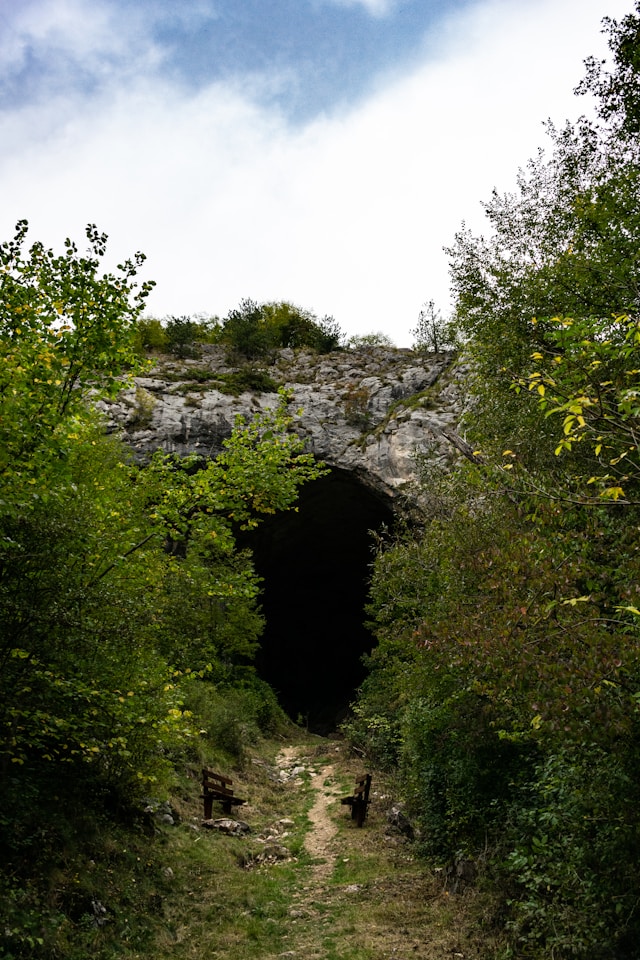
Photo by Valeriia Miller on Unsplash
I know something about defining moments like that.
One of the most significant of my own came after ten years of involvement with a nondenominational youth ministry — first as a participant, then as a leader. That community had nurtured my faith, provided a meaningful social network, and offered a respite from a turbulent home life. But over time, I began to recognize that the founder’s control over my life had grown unhealthy, stifling my growth and happiness as a person. So I left. Walking away from friends I had spent ten years studying, serving, and playing with was not easy. Departing from a group that had given me identity and purpose was painful. But it was the right decision. Leaving forced me to wrestle with who I was and what I believed, apart from the organization that had shaped me through my teens and early twenties. Like Bilbo emerging from Mirkwood, I reclaimed a sense of agency — in my life and in my vocation.
That kind of decision requires courage. Courage to choose what is yours to do. Courage to move from the security of the known into the uncertainty of the unknown. Courage to face down fear.

Photo by Tobias Tullius on Unsplash
Most of us only recognize defining moments in hindsight. With the passage of time and honest reflection, we begin to see which events and decisions were truly pivotal — the ones that made us who we are.
What is one of your defining moments? I’d love to hear about it. Share it in the comments.