Blog
Unlocking the Unlockable

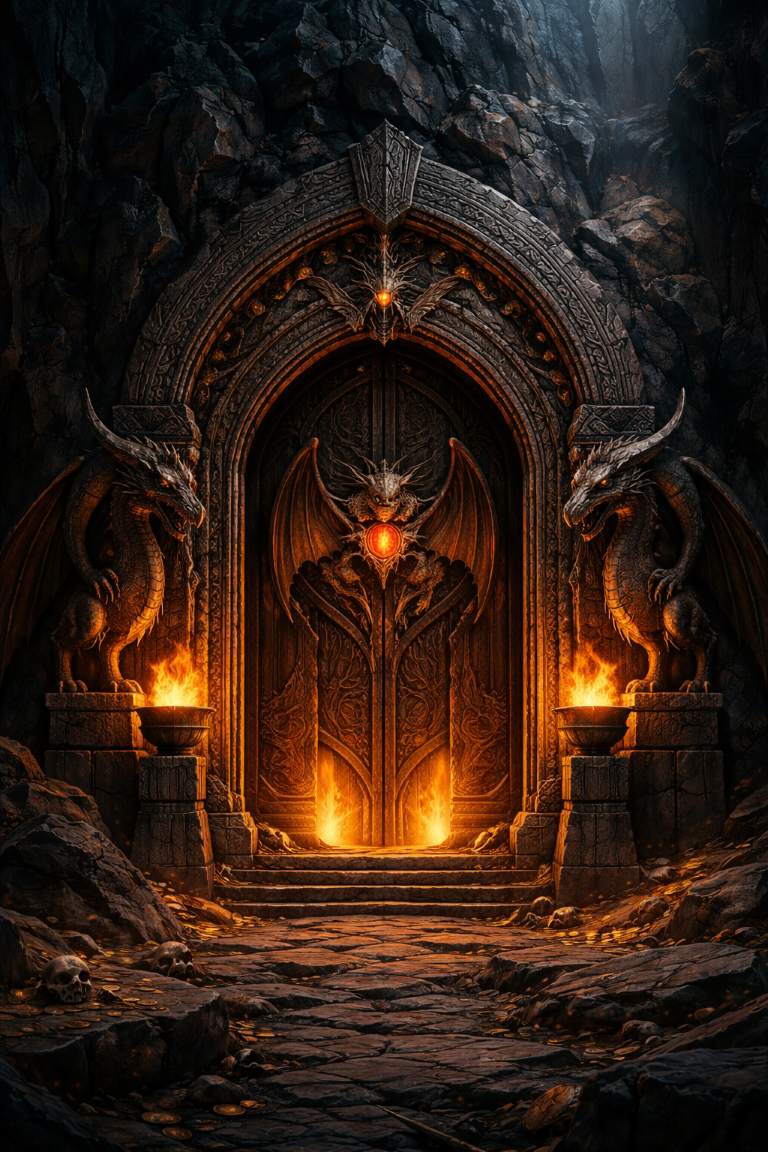
The Hobbit Chapter 11 “On the Doorstep” The company travels through the desolate wastes toward the Lonely Mountain. The landscape grows increasingly bleak as they approach—no birds, no vegetation, just ash and slag from Smaug’s destruction. When they finally locate the hidden western side of the mountain where the secret door should be, they cannot find any way to open it.
Days pass. The dwarves grow frustrated and despondent, camping on a narrow ledge and making no progress. The key clue lies in moon-letters Elrond had read back in Rivendell: the door will only be revealed by the last light of Durin’s Day—when the last autumn moon and the sun are in the sky together.
The dwarves try to force the door:
“They beat on it, they thrust and pushed at it, they implored it to move, they spoke fragments of broken spells of opening, and nothing stirred.”
But Bilbo takes a different approach. He sits before the door and thinks. In the midst of his gloom, he waits for insight. And at last, it comes from an unexpected source:
“At that very moment he heard a sharp crack behind him. There on the grey stone in the grass was an enormous thrush, nearly coal black, its pale yellow breast freckled with dark spots. Crack! It had caught a snail and was knocking it on the stone. Crack! Crack!
Suddenly Bilbo understood.”
The thrush knocking the snail was the very sign mentioned in the map’s prophecy. At that moment, a shaft of dying sunlight strikes the cliff face, the hidden keyhole is revealed, and the door swings open.
Have you ever faced an obstacle and tried to overcome it by force?
Seemingly unlockable doors test our resilience. But Bilbo’s experience teaches us something crucial: the solution to impossible problems rarely comes from pushing harder. It comes from pausing, observing, and making unexpected connections.
So how do we unlock doors that appear unlockable?
Let Your Mind Wander

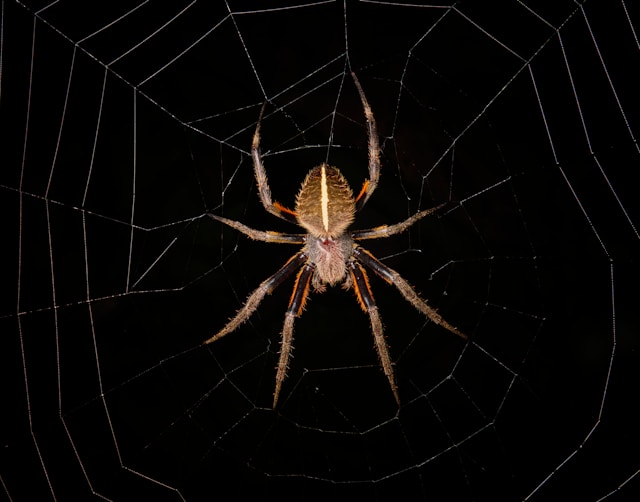
Photo by Jonathan Mabey on Unsplash
Pioneering physicist Marie Curie believed that “the monotony and solitude of a quiet life stimulates the creative mind.”
It was when Bilbo let his mind wander—“over the wide lands and the black wall of Mirkwood, and to the distances beyond, in which he sometimes thought he could catch glimpses of the Misty Mountains small and far”—that the solution came to him.
A mind free to wander often stumbles across solutions to seemingly intractable problems. This is increasingly rare in our smartphone-addicted world where every idle moment is filled with scrolling.
When was the last time you gave yourself space to simply think? To let your mind roam without agenda or distraction?
Get Some Sleep

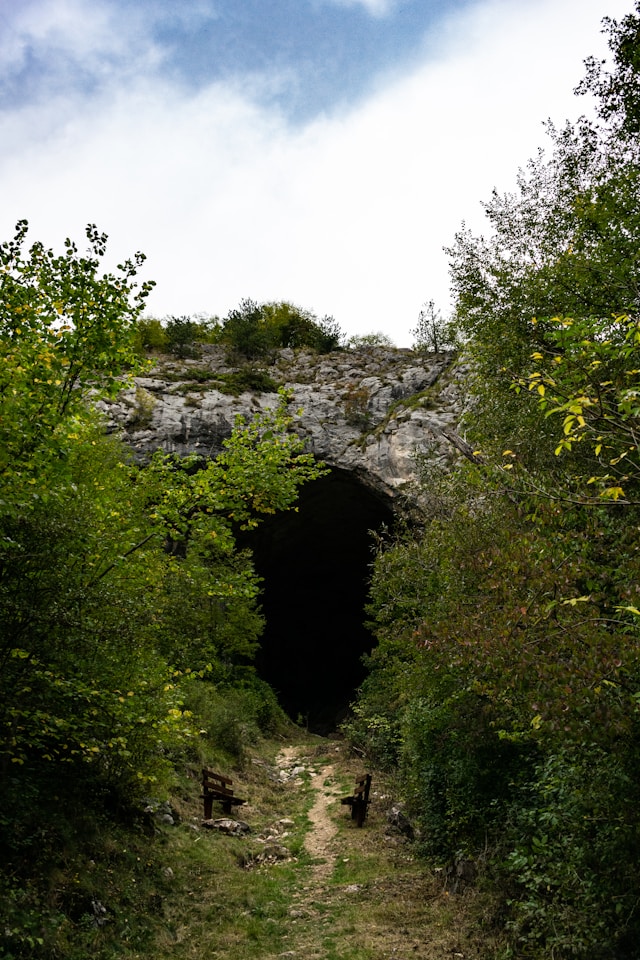
Photo by Kate Stone Matheson on Unsplash
Writer Anne Lamott quips: “Almost everything will work again if you unplug it for a few minutes—including you.”
During non-REM sleep, our brainwaves slow and our bodies relax, allowing us to explore ideas without distraction. We often wake with creative insights we’ve been processing subconsciously.
When facing a complex problem you can’t solve, try sleeping on it. See what your subconscious comes up with overnight.
Make Unexpected Connections

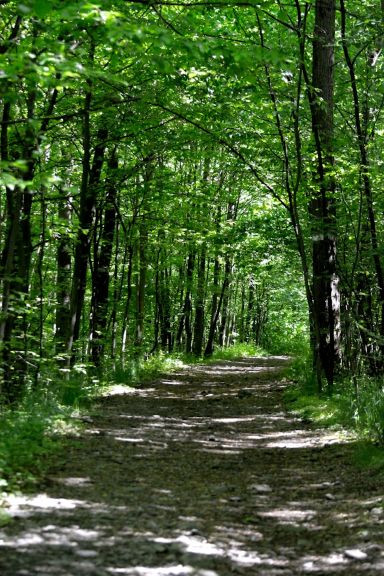
Photo by ameenfahmy on Unsplash
“Originality often consists in linking up ideas whose connection was not previously suspected.” — W. I. B. Beveridge
Brian Chesky and Joe Gebbia couldn’t afford rent in San Francisco. They noticed a design conference was coming to town and hotels were full. They connected two unrelated things—their empty air mattresses and strangers needing a place to sleep—and built what became a $75 billion company: Airbnb.
The idea didn’t come from a boardroom or business plan. It came from sitting with a problem and letting an unexpected, almost absurd connection surface.
Ask the Divine for Help

Photo by Jon Tyson on Unsplash
Early in my ministry, I was hired to revitalize a struggling youth group. I tried everything—creative programs, events, even renting a gorilla costume for a “Gorilla Kidnap Event” to collect unengaged youth. Nothing worked.
Then one Sunday morning, sitting in church and asking for divine guidance, I received a clear plan: “Mission Achievers.” Each month, youth would participate in a service project. First Sunday: explain the mission. Second Sunday: prepare. Third Sunday: achieve it. Fourth Sunday: celebrate.
The program transformed our youth ministry. We worked with Habitat for Humanity, served people living behind race tracks, staffed soup kitchens, and eventually traveled to Haiti to refurbish a missionary summer camp.
When we ask for help, the Universe responds with unexpected solutions.
The Lesson of the Thrush
Bilbo didn’t unlock the door by forcing it. He unlocked it by stopping, observing, and recognizing the sign when it appeared.
The thrush cracking the snail on the stone wasn’t random noise—it was the very clue foretold in the prophecy, the signal that preceded the revealing light. But only someone paying attention, someone willing to sit in uncertainty rather than thrash against it, could have noticed.

Wikipedia
The unlockable doors in our lives rarely yield to force. They open when we:
- Create space for our minds to wander
- Rest and let our subconscious work
- Make unexpected connections between seemingly unrelated things
- Ask for help from sources beyond ourselves
- Stay alert for the signs that are already present
Sometimes the answer isn’t about pushing harder. Sometimes it’s about sitting still long enough to hear the crack of a snail on stone—and suddenly understanding.
What door are you trying to force open? What if the key is already there, waiting for you to notice?